



7th October 1915
15th October 1915
(read time: 6 mins.)
At night, she ran an escape network on a breathtaking scale. The work required nerves of steel. Unfortunately, the Germans were watching. The night before her execution, she was calm. Serene. She told the reverend… “Standing as I do in view of God and Eternity, I realise that patriotism is not enough. I must have no hatred or bitterness towards anyone”.
If you were based in the UK during the COVID days, you will remember those Thursday evenings when we all stood in the garden bashing our pots and pans to applaud the heroic work of National Health Service staff, particularly the nurses.
It seems a long time ago, doesn’t it? It turns out that applause doesn’t pay the bills. Since COVID, over 100,000 nurses have left the NHS, with half citing pay as the main reason. Nursing is a proud profession.
Florence Nightingale convinced Victorian women in 1854 that a lady with a lamp near a battlefield in Crimea may be of more use than a dozen ladies supping afternoon tea in a drawing room in Mayfair.
Nightingale’s revolutionary approach to nursing inspired generations of women into the profession and away from a lifetime of domestic subservience.
One such woman, an extraordinary woman, was…
Edith Cavell
The story of Edith Cavell is one of duty and selflessness in the face of overwhelming danger.
Edith was born in 1865 in the village of Swardeston, just outside Norwich. As the daughter of the local vicar in Victorian Britain, she was expected to marry well. She would produce an heir or two, run an efficient household and, yes, arrange afternoon teas in drawing rooms.
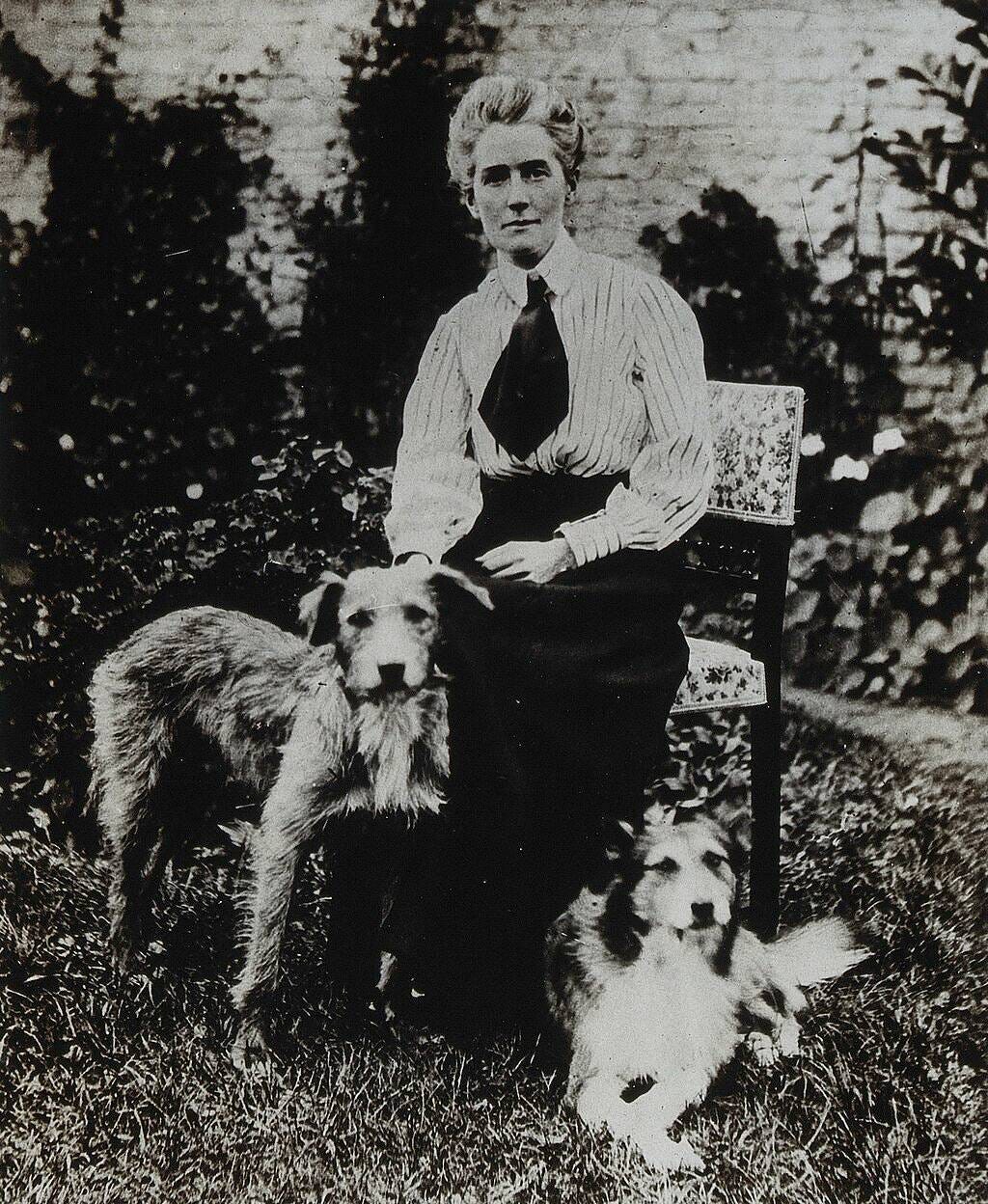
However, having followed her father around the parish for years tending to the poor, the notion of service to others wasn’t just duty; it was the reason for living.
Like Florence Nightingale 44 years earlier, Edith raised more than a few eyebrows when she announced that she was entering the nursing profession in 1895. Although Nightingale had elevated the status of nursing, it was still considered beneath a lady in polite society.
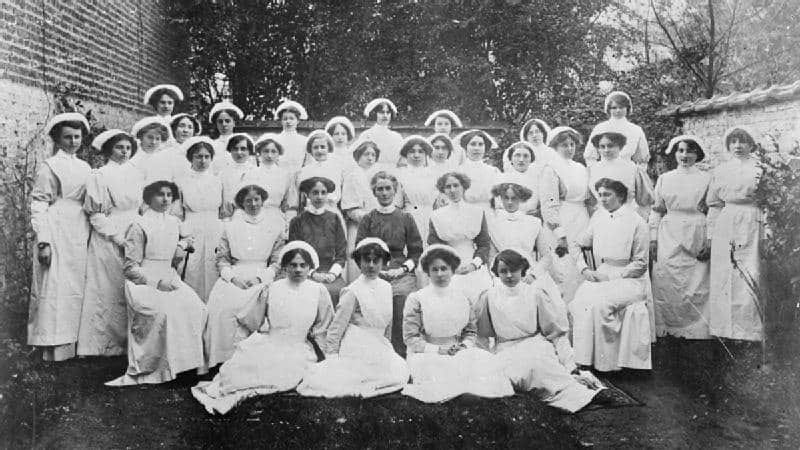
After ten years at various hospitals in London, Cavell’s defining move was to Brussels in 1907 where she established a nursing school, the Berkendael Medical Institute.
Outbreak of the First World War
For seven years, she strived to improve nursing standards in Belgium. Cavell was selfless, hard-working, demanding and—to some—intimidating. By August 1914, she had significantly modernised Belgian nursing practices.
But then Germany invaded. World War I had arrived in Belgium.
While many British nurses returned home, Edith stayed put.
“At a time like this I am more needed than ever.”
The German army stormed through the country. Their advance was swift and brutal, brushing aside Belgium’s neutrality as ‘merely a scrap of paper’.
Edith’s Berkendael Institute was converted into a Red Cross Hospital. Under the terms of the Geneva Convention, the hospital treated German and Allied soldiers without favour.
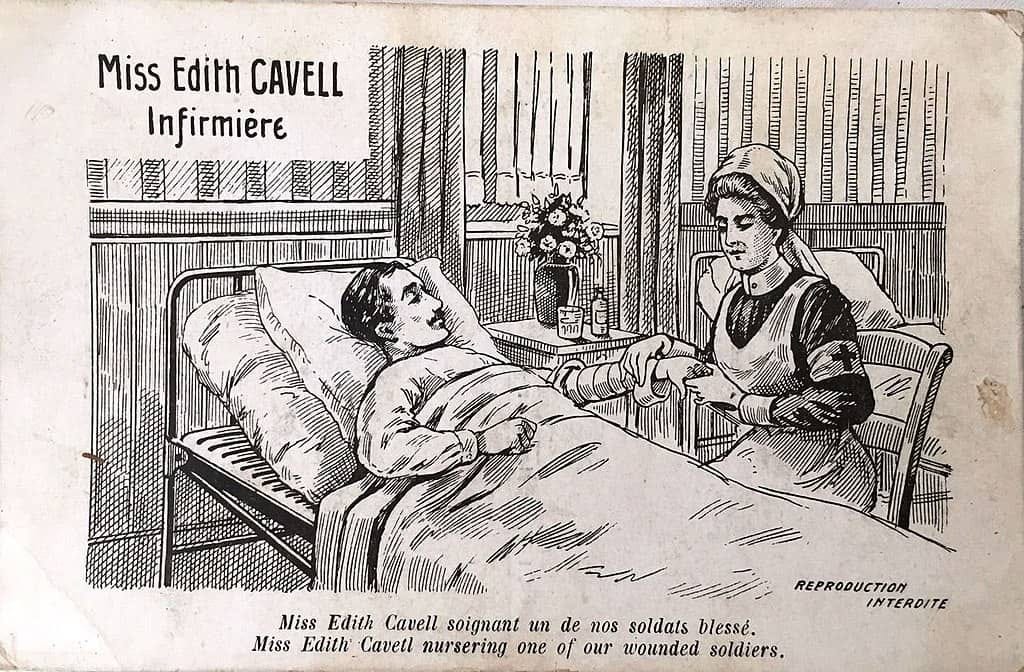
Cavell made no distinction. The wounded wore British khaki or German field grey - it made no difference. She cared for them all. It was her duty. It was non-negotiable.
However, Edith’s sense of duty extended beyond the welfare of her patients, beyond bandages and bedpans. If this extended duty were exposed, the nurse from Swardeston would be dragged before a German firing squad before breakfast.
A small act of random kindness
Like many acts of heroism, it started small. A fortnight after the German invasion, two wounded British soldiers from the Battle of Mons arrived at Edith’s hospital seeking treatment and shelter.
As normal, Edith treated their wounds. After a further two weeks, the soldiers asked for a favour. Would Edith help them escape? She didn’t hesitate. Her patients needed help, and she would provide it.
Edith knew the risks, but “Kept Calm and Carried On”.
While the British soldiers fully recovered, Edith made contact with a resistance network. They provided civilian clothes, false identity papers and cash. A guide would then smuggle them out of Belgium across the border, via safe routes, into neutral Netherlands.
And that’s what happened. The process was seamless. A short time later, Edith received written thanks from the soldiers who had arrived safely back in England.
She kept the letter.
Edith is arrested
Rather than sitting back on her success, Edith repeated the process over 200 times in the following 11 months. By day, she tended to the sick. At night, she ran an escape network on a breathtaking scale. The work required nerves of steel. The German military police were everywhere.
Unfortunately, the Germans were watching.
In August 1915, Cavell was arrested. When the military police ransacked Edith’s quarters, they found incriminating documentation, including that letter from the British soldiers.
Her fate was sealed. Rather than attempt to negotiate, Cavell told the truth. She freely admitted to helping Allied soldiers escape. It was her duty.
On 7 October 1915, Edith Cavell was tried before a German military court with 34 others for treason and espionage. Twenty-seven were acquitted, five received prison sentences but Edith and four others were sentenced to death.
The execution
News spread fast. Allied ambassadors and even neutral parties pleaded for clemency. After all, this was a woman who had treated German casualties without discrimination.
To no avail.
The night before Edith’s death, a British chaplain, the Reverend Stirling Gahan, visited her cell. She was calm. Serene. She told the reverend…
Standing as I do in view of God and Eternity, I realise that patriotism is not enough. I must have no hatred or bitterness towards anyone.
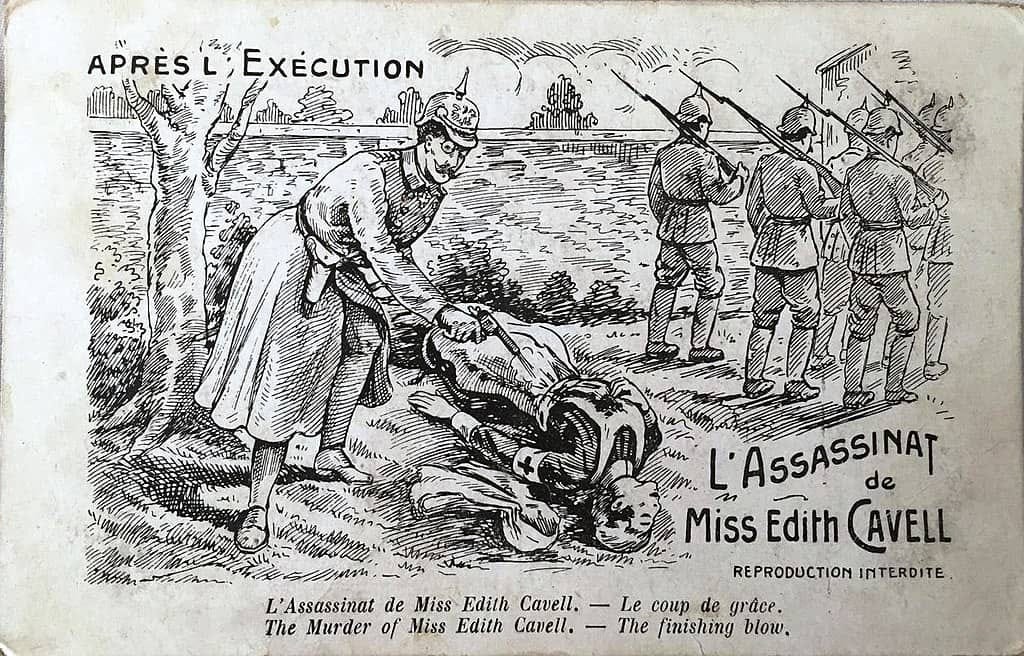
Five days after her trial, Cavell was taken to the Tir National Shooting Range in Schaerbeek, Brussels. With the same serenity as the night before, the stoical nurse stood before the firing squad. No blindfold. No dramatic speeches.
On 12 October 1915, at 7 a.m., Edith Louisa Cavell was executed. She was fifty years old.
Instead of deterring further resistance, the Germans had created a martyr.
Edith Cavell’s legacy
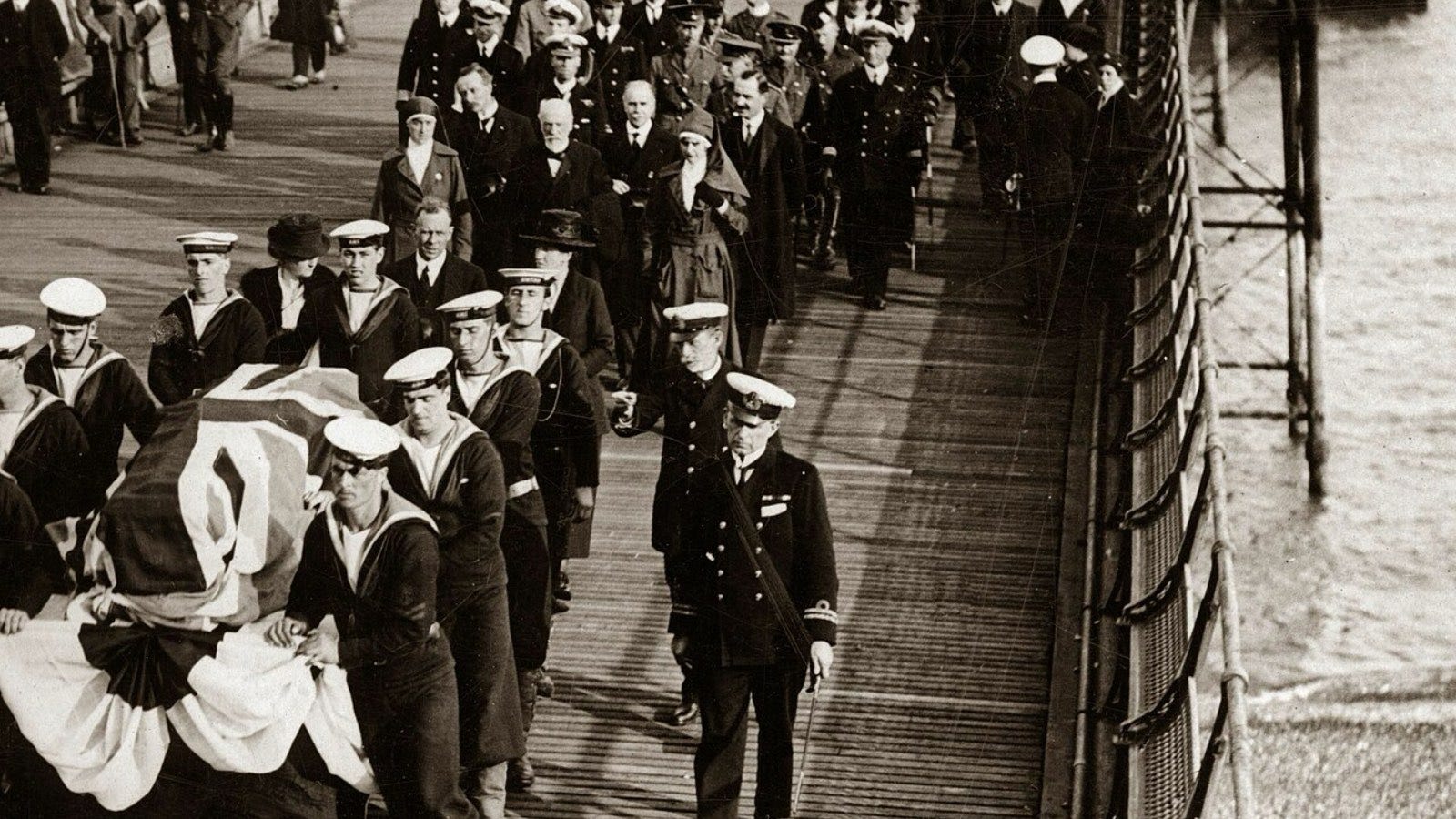
After the war in 1919, Edith’s body was exhumed in Belgium in May 1919 and brought back to Dover on the destroyer HMS Rowena. She was then taken to London, received a full ceremonial procession from Victoria Station to Westminster Abbey where a full state funeral was held. Finally, she was taken home to Norfolk for a quiet burial service at Norwich Cathedral.
Out of Curiosity
In the UK, state funerals are normally reserved for monarchs. Notable non-sovereigns who received a state funeral include:
- Sir Isaac Newton (1727)
- Vice-Admiral Horatio Nelson (1806)
- Arthur Wellesley, Duke of Wellington (1852)
- Edith Cavell (1919)
- Sir Winston Churchill (1965)
Edith Cavell’s legacy is profound. For years, nursing in Britain had campaigned to be recognised as a regulated profession. The unstoppable momentum from her death left politicians with little choice—the Nurses Registration Act of 1919 was passed.
Those words from the night before Edith’s execution…
