


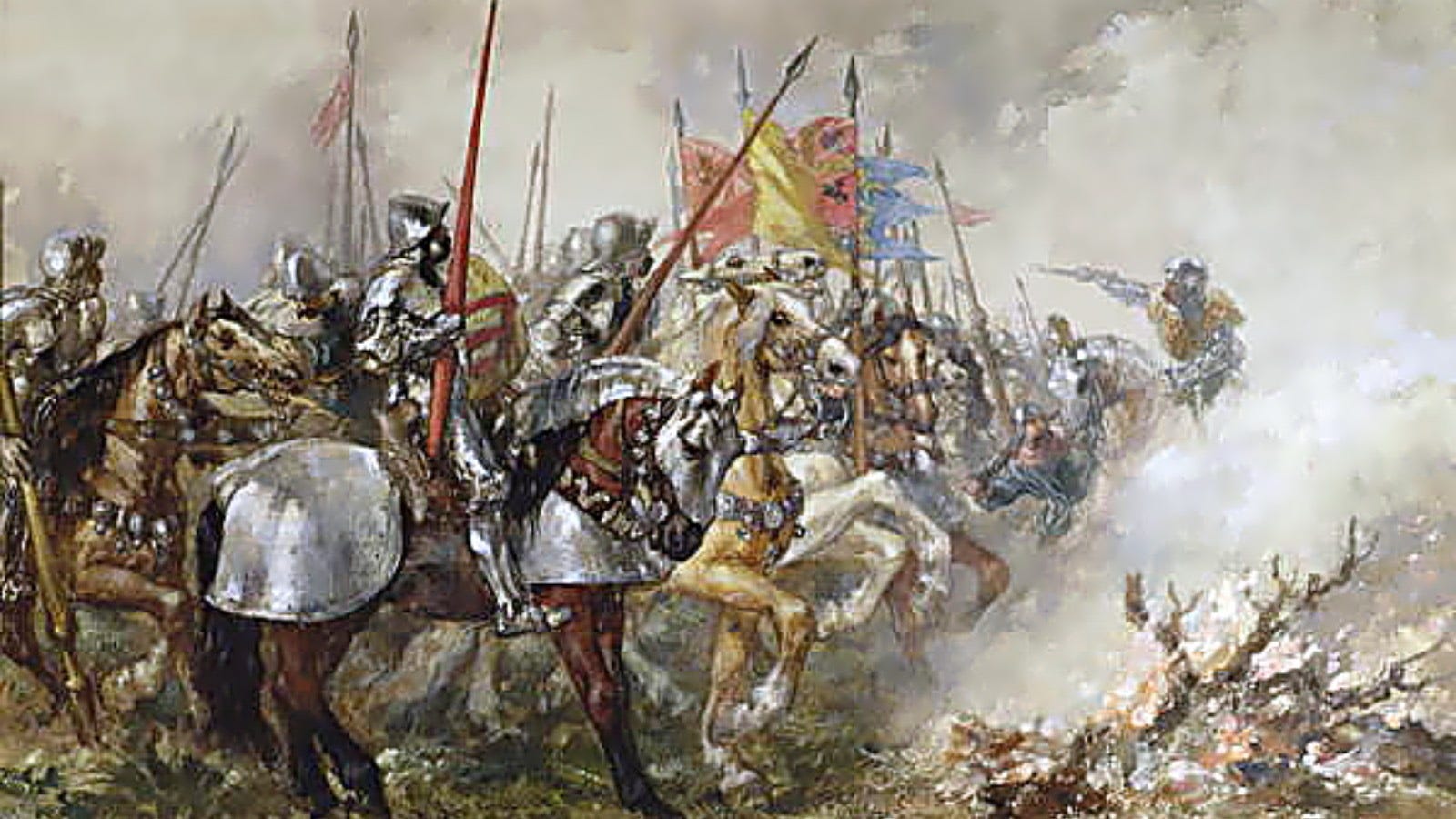

25th October 1415
(read time: 7 mins.)
Moments before the Battle of Agincourt, King Henry V delivered his final words to his men. “We few, we happy few, we band of brothers; For he to-day that sheds his blood with me Shall be my brother...” The reality was probably a little more prosaic. But whatever the king may have lacked in Shakespearean eloquence, he more than made up for in raw courage.
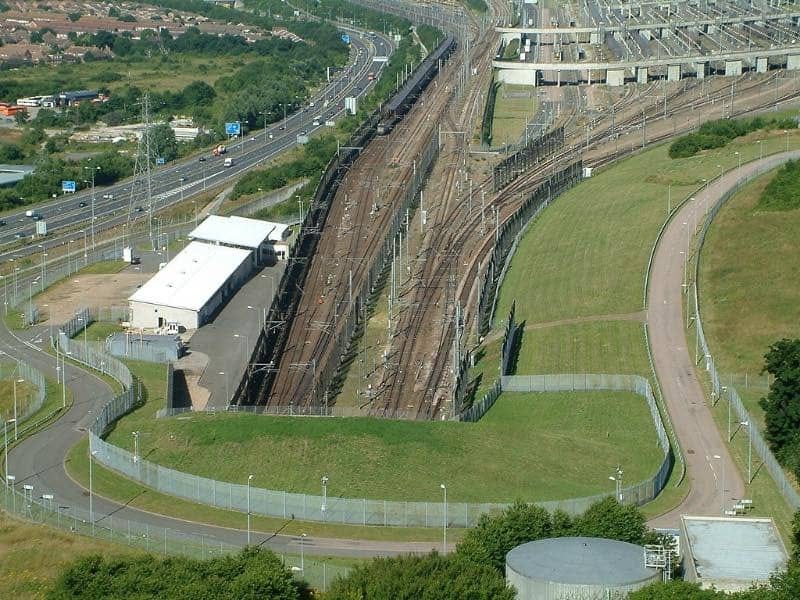
The English and the French have mastered the art of the love-hate relationship. Hardly surprising considering they’re only 21 miles apart—close enough to pop over for lunch but just far enough away to sustain a thousand years of mutually assured aggravation.
These nations are like brothers, where familiarity can breed both affection and contempt in equal measure.
Take my brother and I, for instance. When we were kids, we were either playing together enthusiastically or trying to kill each other. Big bruv followed the Queensbury Rules. I preferred the anything-goes approach.
During one of our more heated bouts, he hurled a dart at me. It was a lousy throw, sailing a good 18 inches wide. Ignoring the fact that this was probably intentional and with the lightning-quick cunning of a devious little sod, I thrust my right foot sideways to intercept it. Bullseye. The dart embedded itself perfectly between foot and ankle.
The projectile held on just long enough for me to run to mum, tears streaming, with the damning evidence of big bruv’s cruelty. Look!
Despite him receiving the full force of Mum’s fury, my brother and I were best mates again within 24 hours. (We’re still close today by the way, not a dart in sight).
And that’s how it has been between the English and the French. War and peace. Peace and War. England and France were frequently at loggerheads from William the Conqueror’s invasion in 1066 through to the Battle of Waterloo in 1815.
The wars in between these battles blur into an unbroken chain of mutual antagonism, remembered today only by die-hard historians.
Of course, there are certain confrontations that will never be forgotten; Crécy (1346), Poitiers (1356), Blenheim (1704), Trafalgar (1805).
Out of Curiosity
Did you see what I did there, that typical British reflex of listing only the battles we won?
Apparently the French won a few battles too. Their names would probably roll off a Gallic tongue with ease; Bouvines (1214), Castillon (1453), Fontenoy (1745).
And then there was Yorktown (1781), technically an American victory during the War of Independence (Revolutionary War), but remembered by the French as ‘the French victory at Yorktown’, the one that brought the British to their knees.
However, there is one battle whose name rings louder than all the rest in British circles, particularly when politicians needs to conjure the spirit of past glories to dig themselves out of a hole.
Agincourt, 1415.
A bedraggled English army stared down the face of almost certain annihilation in an anonymous muddy field somewhere in northern France.
Outnumbered, exhausted, riddled with dysentery and far from home, the men’s chances of survival ranged from grim to none. The French held most of the cards… except one;
The English were led by King Henry V.
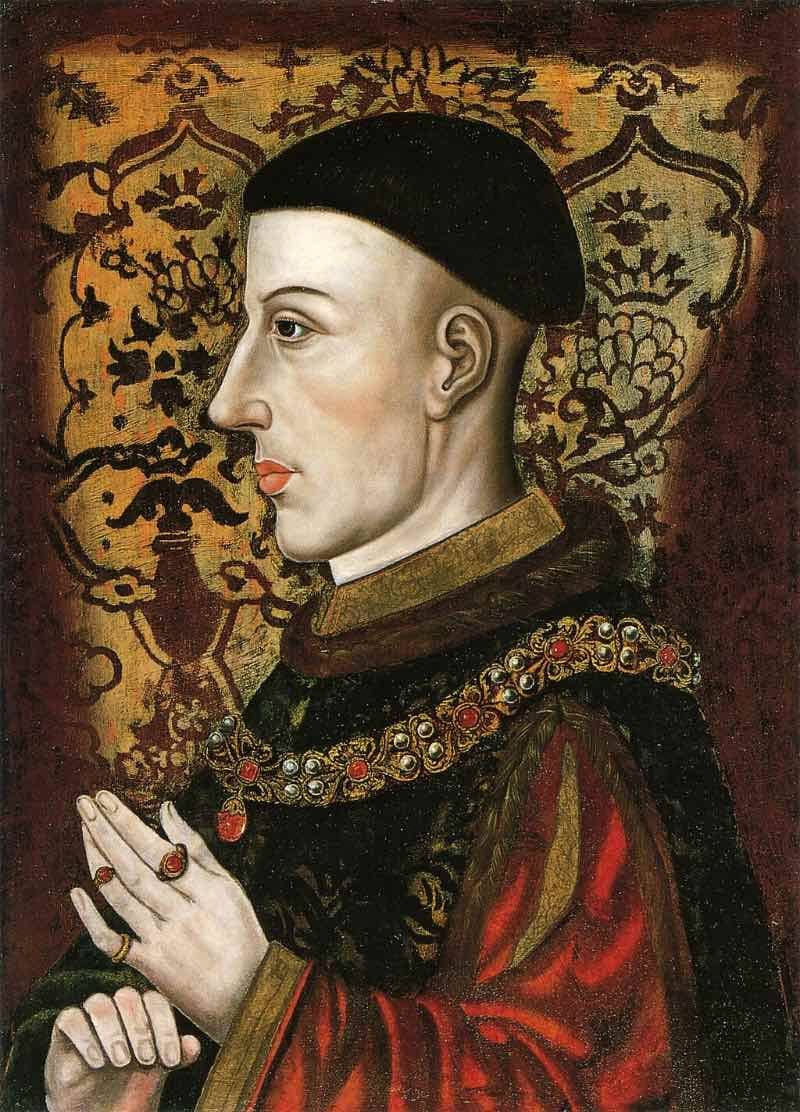
King Henry V, Henry of Monmouth…
…was only 29 years old in 1415. His father, Henry IV, had been tough, but Henry was tougher.
At the age of 16 he had taken an arrow in the face which lodged six inches deep and just missed his spine. His surgeon constructed a special tool to extract the arrow from Henry’s head… while he was conscious.
Henry of Monmouth became Henry V in 1413, aged 26, when his father died in Westminster Abbey’s Jerusalem Chamber.
(Note: A prophecy had warned Henry IV that he would die in Jerusalem—probably not quite what he expected.)
The Kingdom of England was in a mess. She was nearly bankrupt, her nobles were agitated and morale was low, as were their coffers. By contrast, the French King, Charles VI, despite his moniker ‘Charles the Mad’, was ruling over Europe’s dominant power.
When a nation is looking for solutions and none are forthcoming, it’s time for a war.
In matters of war, Henry V was a master. His planning was meticulous, his adaptability during battle unrivalled and his iron discipline over his men absolute.
And he was ruthless.
Henry’s claim to the French throne
In August 1415, Henry had travelled with a 12,000-strong army to capture Harfleur. This was a port on the northern coast of France which would complement the English stronghold of Calais, 125 miles northwest.
Henry held a threadbare claim to the French throne through his great-great-grandmother Isabella, mother to Edward III and daughter of King Philip IV of France. It was time to press for his inheritance, no matter how tenuous.
Victory was his, but the cost was high. Nearly half of Henry’s men perished, most victims of dysentery rather than French steel.
Nonetheless, feeling bullish after Harfleur, Henry marched 150 miles across France towards Calais in a show of strength.
The victory parade nearly turned into a death march.
The Battle of Agincourt
The French had forced Henry south of Calais and cornered his army near the village of Agincourt. The eight-day march had taken three weeks. Henry’s army was starving, filthy and decimated by disease.
The night they arrived at Agincourt, the English huddled in a muddy field, while the French rested in relative comfort.
As dawn broke on 25 October 1415, the impending battlefield was revealed.
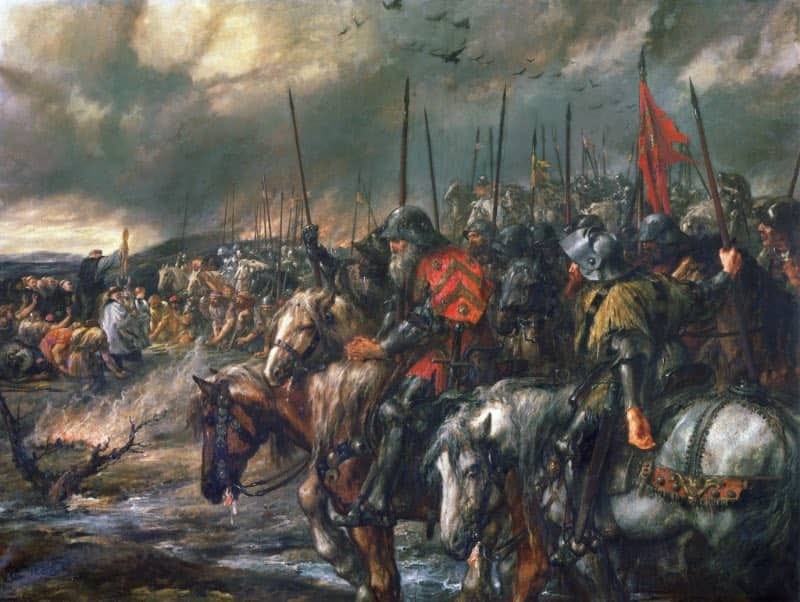
Oak trees hemmed in a narrow strip of land on both sides. Days of torrential rain had turned the recently-ploughed field into a quagmire. Between the two armies lay a churned wasteland of thick, sticky mud.
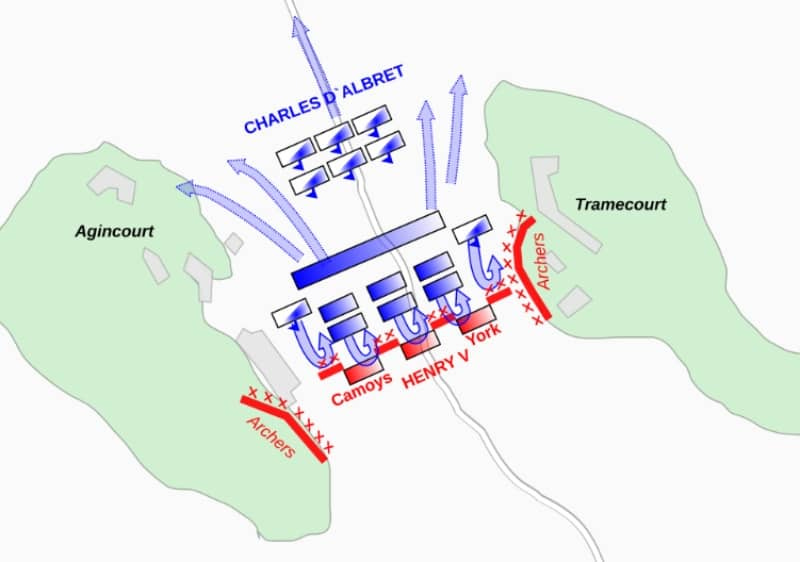
Henry’s wretched men fell into line. The men-at-arms took centre-stage, on foot rather than mounted, while the archers took up the flanks, their sharpened stakes plunged into the mud at an angle to hamper the impending charge. The advanced and rear guards lined the flanks.
The massive French contingent formed three divisions, one behind the other, 12,000 men in all. This would be revenge for humiliation at Crécy and Poitiers. This was their moment.
Or was it?
For three long hours the opposing forces eyeballed each other across the sodden ground.
The English king had delivered his final words to his men. One hundred and eighty-five years later, Shakespeare would attribute one of history’s great wartime speeches to Henry…
We few, we happy few, we band of brothers;
For he to-day that sheds his blood with me
Shall be my brother.
The reality was probably a little more prosaic. But whatever Henry may have lacked in Shakespearean eloquence, he more than made up for in raw courage. He would lead his men from the front. They would fight together, they would die together.
The battle commences
At 11 a.m., Henry ordered an advance to within 300 yards of the French. The English then regrouped, reset their stakes and waited.
At last, the adrenaline-fuelled French cavalry charged. Their horses burst forward like racehorses from the gate. But within moments, the same horses were sinking into the mud, hardly able to move. Having covered only fifty yards, they were stranded.
Five thousand English archers raised their longbows.
60,000 arrows a minute rained down on the floundering French. Horses threw off their riders and bolted back towards their own line.
The French men-at-arms attempted to advance through the mud as arrows penetrated gaps in their 60-pound steel plate armour.
Some died from direct hits, others stumbled and drowned, unable to pull themselves up from the mud. By the time those that were left reached the English lines, they were exhausted.
The reinvigorated English feasted on their prey. The dismounted English men-at-arms, nimble in their light armoured suits, waded in. Archers downed their longbows and took up mallets, axes and daggers to join in the slaughter.
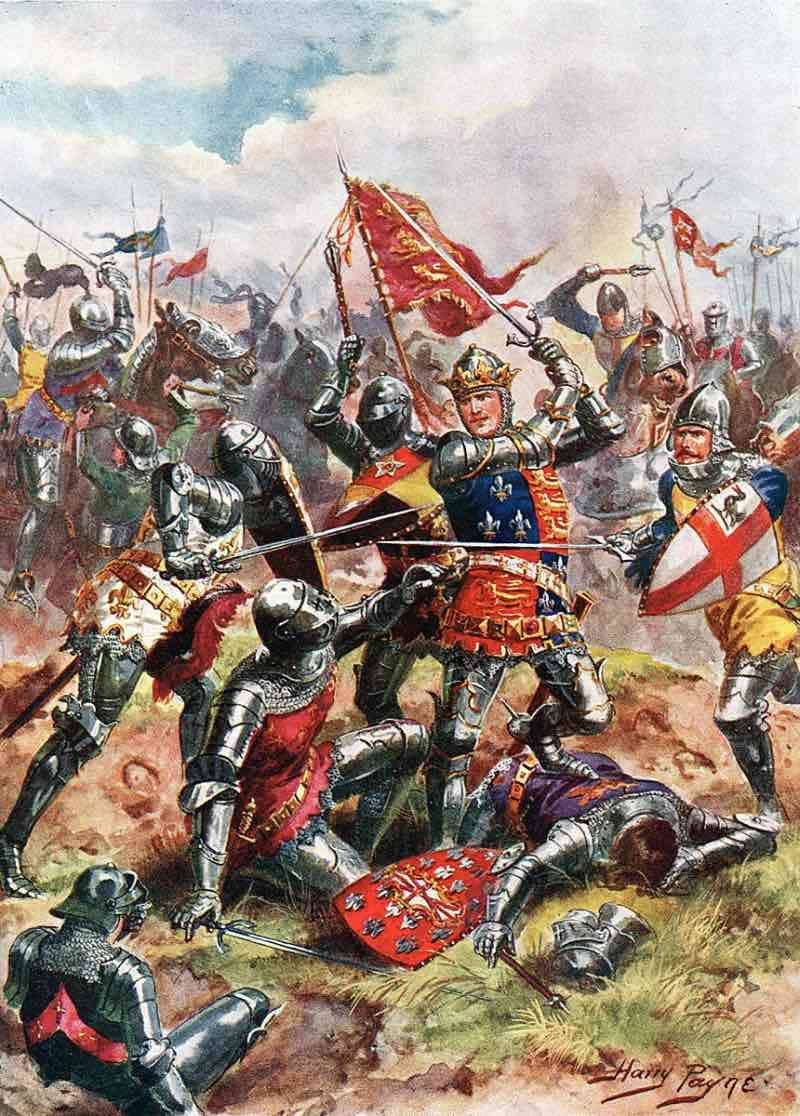
The rule book of chivalric medieval fighting had been thrown away. French aristocrats expecting to fight their equals were pulled to the ground by English peasants and clubbed to death.
The second French division only added to the crush and were similarly massacred. The pragmatic third division turned and fled.
Within just two hours, 10,000 French soldiers, knights, dukes and counts were dead. The English had lost barely 400 men.
