


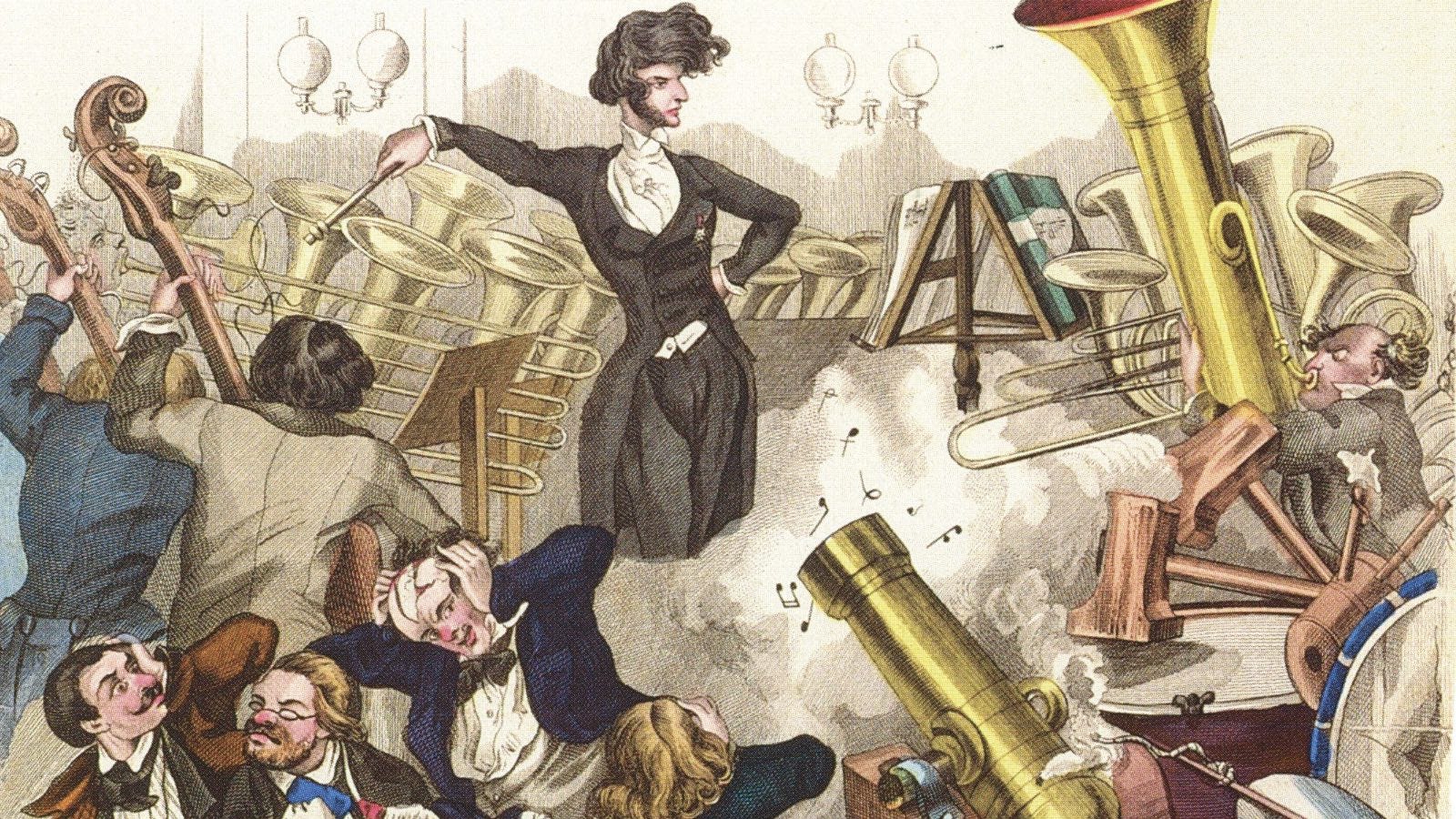

5th December 1830
(read time: 5 mins.)
Hector Berlioz would create a five-movement symphony inspired by Miss Harriet Smithson, chronicling his obsessive and increasingly unhinged passion for her. A psychedelic autobiography set to music. On 5 December 1830, the Symphonie fantastique received its world première at the Paris Conservatoire. For forty-five pulsating minutes, the audience sat stunned as the young conductor careened through his romantic nightmare…
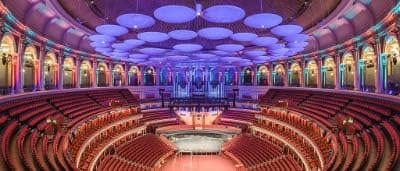
One of my most cherished memories as a teenager was a visit to London’s Royal Albert Hall for a night at the Proms, one of a marathon of classical concerts that runs every summer for eight weeks.
The Henry Wood Promenade Concerts have been running since 1895, notable for their broad repertoire and relaxed atmosphere. The concerts also attract a fresh intake of enthusiasts.
Students and first-timers mix with the hardcore in the Arena—the standing area in front of the orchestra. Bodies pack in tight, swaying harmoniously—bound by a shared passion for classical music and cheap tickets. These are the ‘Promenaders’.
Less classical concert—more Glastonbury with violins.
The Last Night of the Proms, in particular, is recognisable for a very British outpouring of patriotism. Concert-goers who’ve spent a lifetime in evening dress appear as tubas, Union Jacks, inflatable trumpets and the occasional vegetable.
My visit wasn’t the Last Night of the Proms, but the evening promised its own brand of lunacy: Hector Berlioz’s Symphonie fantastique.
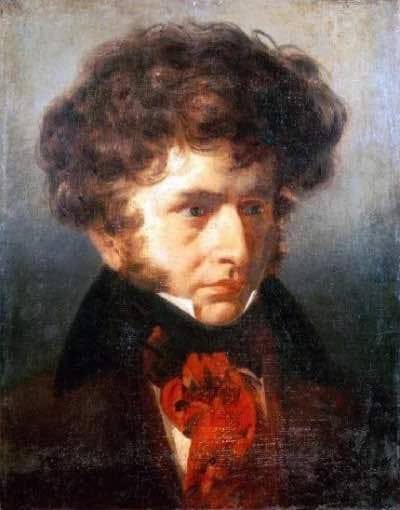
Louis-Hector Berlioz…
…was born in December 1803 in the small town of La Côte-Saint-André, about 35 miles northwest of Grenoble. France was still recovering from a Revolution, and Napoleon was a year away from crowning himself Emperor.
Having spent most of his youth in La Côte-Saint-André, Berlioz dutifully arrived in Paris in 1821 to study medicine, as his father wished. Less dutifully, he abandoned his studies almost immediately after discovering the Paris Opera—at which point dissecting cadavers lost its appeal.
Out of curiosity
Paris in the 1820s was regaining its swagger. The Bourbon monarchy had been reinstalled, albeit tentatively, while Napoleon was seeing out his days marooned on the remote island of St. Helena somewhere in the South Atlantic.
A new generation of writers, painters and musicians was emerging with new ideas about self-expression: emotional, passionate, unashamedly dramatic. They were the Romantics.
Composers were abandoning the formal structures of Mozart, Beethoven and Haydn in favour of greater intensity, colour and drama.
Few managed it better than Berlioz.
Miss Harriet Smithson – an obsession
Louis-Hector attended the Paris Conservatoire to study composition and quickly determined, with characteristic modesty, that he was—in all probability—a musical genius. As it turned out, he had a point.
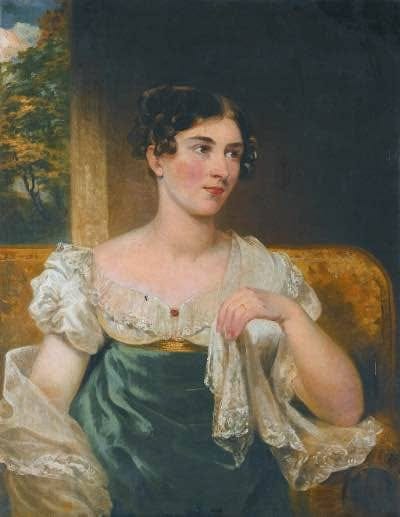
Unfortunately, his romantic judgement was less reliable. In September 1827, he attended a performance of Hamlet at the Odeon Theatre in Paris. He instantly fell in love with Ophelia—or rather, an Irish actress called Harriet Smithson.
Berlioz became obsessed with Harriet, unperturbed that she didn’t know he existed. He wrote endless letters, attended her every performance and behaved in the audience with the subtlety of a man who’d just caught fire. In England, we would call this stalking. The French called it love.
Over time, Miss Smithson became aware that she had acquired a wild-eyed admirer and took steps to avoid him.
In desperation, Berlioz did what he did best. He wrote music.
A symphony to Harriet
Hector would create a five-movement symphony inspired by Harriet, chronicling his obsessive and increasingly unhinged passion for her. A psychedelic autobiography set to music.
The hero (Berlioz himself, of course) becomes obsessed with an unattainable woman. In despair, he swallows opium and tumbles into a narcotic nightmare: a trip through a swirling ballroom and tranquil countryside before murdering his beloved and being marched to the scaffold.
For the finale, his muse reappears at a witches’ sabbath, transformed into a cackling hag and dancing gleefully on his corpse. Not exactly The Sound of Music, I admit.
Berlioz would call it ’Symphonie fantastique’.
The madness that is Symphonie fantastique
On 5 December 1830, the Symphonie fantastique received its world première at the Paris Conservatoire.
Hector Berlioz took centre-stage, standing tall with baton in hand, ready to conduct his orchestral obsession in front of the world.
Then, for forty-five pulsating minutes, the audience sat stunned as the young conductor careened through his romantic nightmare.
It was an instant hit. Some of the old guard muttered something about violated classical forms. The younger generation didn’t care. This was new, shocking, beautiful.
When Harriet returned to Paris in 1832, she attended a performance of the Symphonie fantastique. Her symphony. As a result, she finally agreed to meet Berlioz. Evidently, the bit about being murdered by her admirer to then reappear as a shrieking hag cackling over his corpse didn’t raise any red flags.
In one of history’s more unlikely romances, Hector and Harriet fell in love and married the following year.
Don’t you love a happy ending? Well, not this time. The marriage was a disaster. Within a few short years, the couple were living apart, though they never divorced.
Hector Berlioz would become one of the great composers of the Romantic era. He died in 1869, aged 65. Harriet had died four years earlier, having suffered from poor health for most of the rest of her life.
Before Berlioz died, he left instructions that Harriet’s body was to be exhumed and buried next to his. They lie together in Montmartre Cemetery—united in death in a way they never quite managed in life.
Perhaps that counts as a happy ending.
FOOTNOTE
Having read about Hector Berlioz and his obsession with Harriet Smithson, my visit to the Royal Albert Hall all those years ago now makes perfect sense. I realise that the Symphonie fantastique is five movements of glorious, unhinged madness. It isn’t just music—it is a psychotic episode set to orchestra.
High up in the gallery, I looked down on a stage crammed with musicians, perhaps a hundred in all. This was a big orchestra for a big orchestral work.
There were four harps, four timpani, three trombones, an army of strings and enough woodwinds to stock a small forest. There were musicians everywhere.
And then the Symphonie fantastique began.
The music lurched between extremes—soaring one moment, plunging into despair the next. By the time the opium took hold, the hero had been dragged to the guillotine, the mob screaming for blood. His head fell with a single orchestral stroke.
By the final movement, I was exhausted. Berlioz descended into hell and tried to take me with him. Church bells tolled. Tubas, bassoons and trombones belted out the Dies Irae. Witches shrieked and danced. Death chants and the mangled love theme collided in glorious, unholy chaos.
The orchestra raced to its conclusion. Cymbals crashed, timpani rumbled and roared. The string section pumped their bows frantically, heads thrashing like the front row at a Metallica concert.
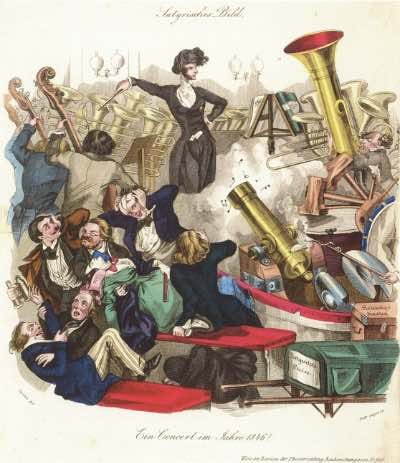
Faster now. Louder. All one hundred musicians blasted, slashed and crashed for their lives. And through the bedlam, Berlioz’s cackling hag danced with demons. The witches had won, he was dead and hell was celebrating.
The whole experience was brutal, uncompromising…. and magnificent.

Thank you for joining me.
Steve
HOST & CHIEF STORY HUNTER
ATTRIBUTIONS
Harriet Smithson: George Clint, Public domain, via Wikimedia Commons.
Young Hector Berlioz: Émile Signol, Public domain, via Wikimedia Commons.
Royal Albert Hall: © User:Colin, CC BY-SA-4.0, Wikimedia Commons.
CC BY-SA 4.0 https://creativecommons.org/licenses/by-sa/4.0/
,_by_George_Clint.jpg)

