


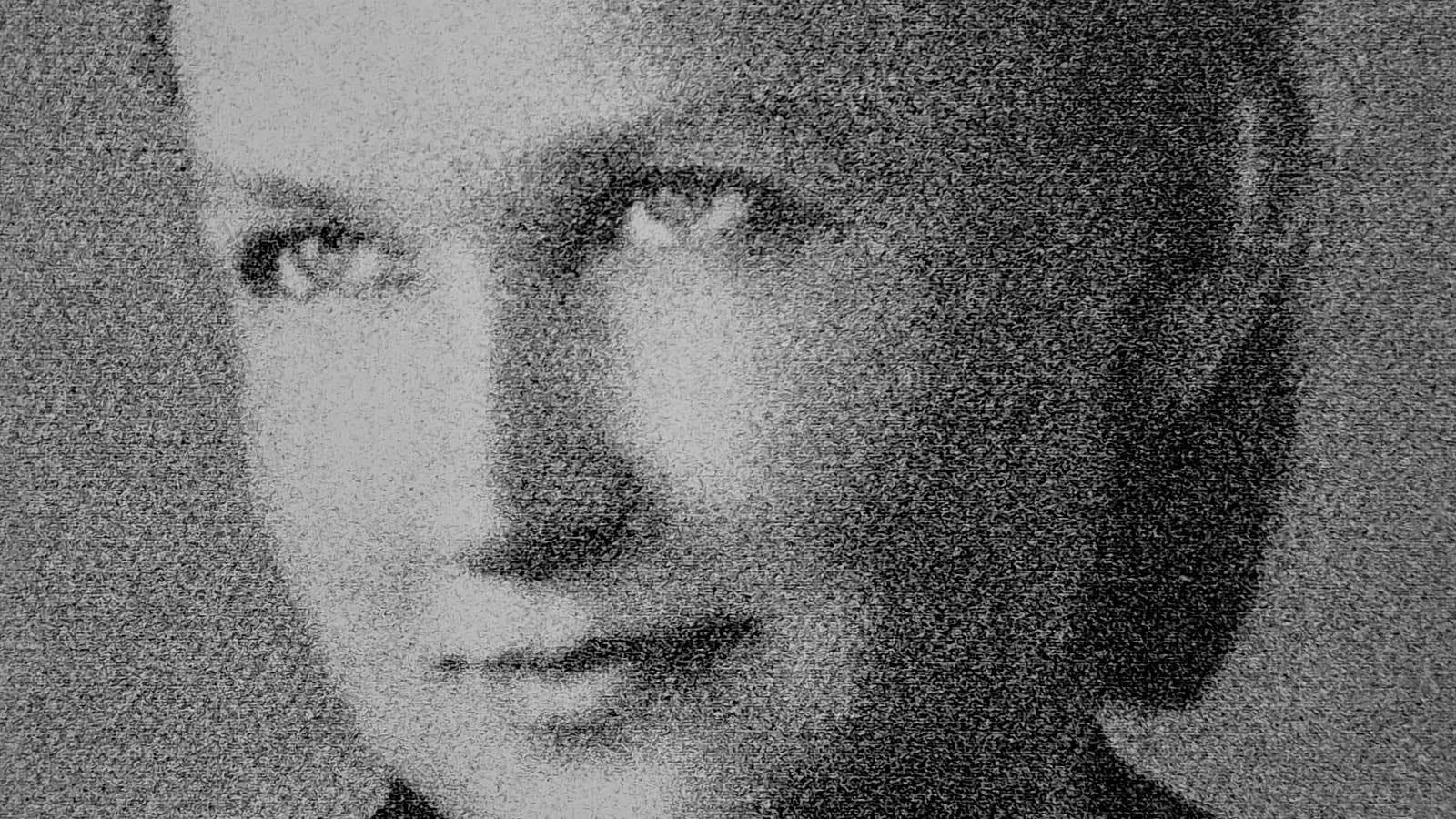

3rd May 2006
(read time: 3 mins.)
When Germany invaded Poland in September 1939, Elżbieta Zawacka joined the Polish underground resistance. Her life became a catalogue of selfless, heroic acts. On 3 May 2006—at the age of 97—she was promoted to brigadier general of the Polish Land Forces.
Elżbieta Zawacka was born in 1909 in the city of Toruń. The city had passed into Prussian hands during the Second Partition of Poland in 1793 and, by the time of her birth, was part of the German Empire.
This enforced German nationhood would not suppress Elżbieta’s fierce nationalistic passion. What followed was a life of such improbable range and courage that, were it submitted as fiction, a sensible editor would send it back with a note: “Too much”. So consider this the highlights…
Poland regained independence on 11 November 1918, emerging from 123 years of partition as the First World War ended. Elżbieta joined the newly formed PWK (Women’s Military Training) in December 1930. The organisation prepared Polish women for auxiliary roles in national defence.
By 1937, Zawacka had risen to become commander of PWK’s Silesia district, while continuing to teach mathematics. By the outbreak of the Second World War, she had helped train an estimated 700,000 women in military auxiliary skills.
When Germany invaded Poland in September 1939, ‘Zo’ joined the underground resistance without hesitation. As a courier for the Home Army, she had crossed enemy borders more than a hundred times—and that was by April 1942. She carried intelligence in books, food parcels, toothpaste tubes and cigarette lighters—her fluent German keeping the suspicion of border guards at bay.
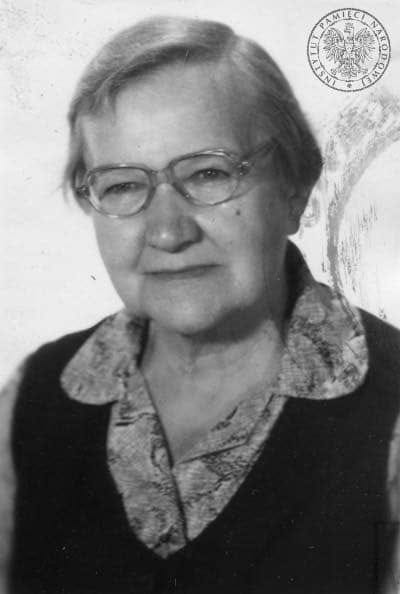
In 1943, Elżbieta undertook a thousand-mile journey across occupied Europe—through Germany, France, Andorra, Spain and Gibraltar—to reach the Polish government-in-exile in London, carrying critical intelligence.
While in London, rather than take a well-earned time-out, Zawacka wasted no time lobbying her government to grant women equal rights in the armed forces. She also joined the Polish special forces, training for covert operations. Elżbieta was multi-tasking on steroids.
On 10 September 1943, Zawacka parachuted back into Nazi-occupied Poland to resume operations with the resistance. When the Warsaw Uprising erupted on 1 August 1944, she was thrown into the heart of a desperate attempt to liberate the capital before Soviet forces arrived.
The uprising lasted 63 days before dwindling food and ammunition forced a surrender. The human cost was staggering: 175,000 civilians perished, mostly through mass executions, while 16,000 resistance fighters fell in battle or were executed.
Zo survived the war, but the Soviets now occupied Poland—so once again she resisted. In 1951, she was arrested for anti-communist activities. After four years of torture and interrogation, Elżbieta was released from prison on 24 February 1955.
Her ordeal was far from over. The communist authorities harassed Zo for a further 34 years, until communism finally collapsed in 1989.
In June 1989, Elżbieta lived to see Poland’s first partially free elections since the Second World War. On 3 May 2006—at the age of 97—she was promoted to brigadier general of the Polish Land Forces by President Lech Kaczyński, becoming only the second woman in Polish history to hold that rank.
