



9th September 2015
8th September 2022
(read time: 2 mins.)
The Queen returned to Balmoral. At exactly 17:30 that evening, on 9 September 2015, Queen Elizabeth II made history. With no fanfare or ceremony, she had surpassed her great-great-grandmother, Queen Victoria, as Britain’s longest-reigning monarch - 63 years, 7 months and 2 days.
The Waverley Line, connecting Edinburgh and Carlisle through the Border region of Scotland, had been closed since 1969, when the savage cuts to British Railways enforced by Dr Richard Beeching took effect.
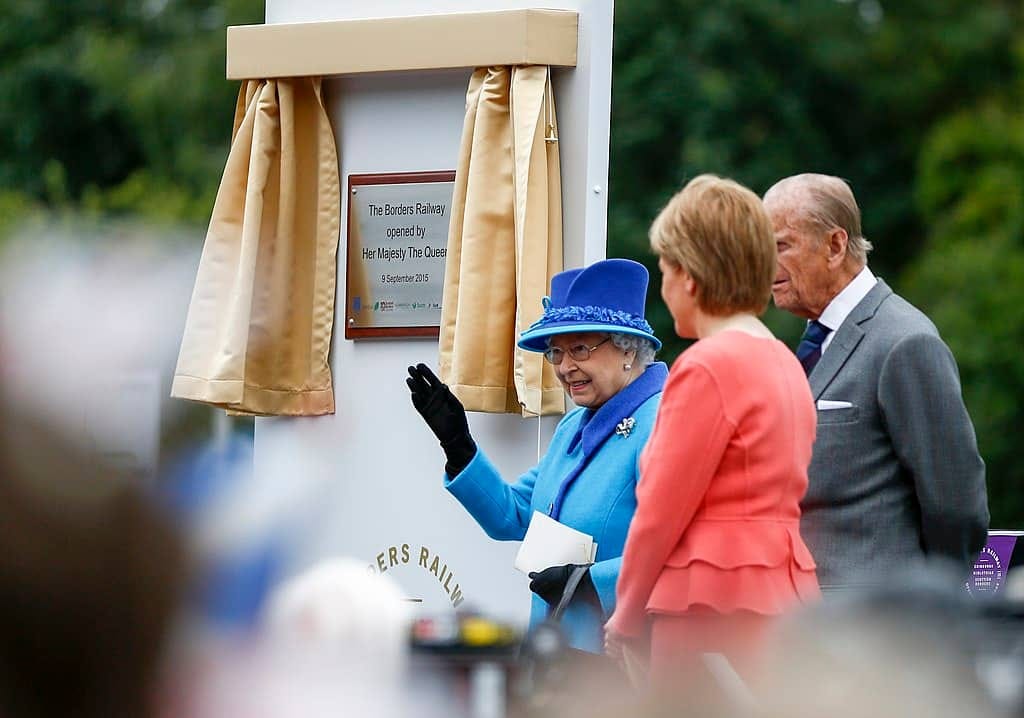
Forty-six years later, part of the line was reopened as the Borders Railway, linking Edinburgh with Tweedbank.
The opening ceremony was keenly anticipated, as it was to be officiated by Queen Elizabeth II, who marked the occasion by travelling the route and making a speech to commemorate the restoration of the region’s rail link.
Queen Elizabeth II makes history
The ceremony duly completed, the Queen returned to Balmoral. At exactly 17:30 that evening, ten years ago this Tuesday, 9 September 2015, Queen Elizabeth II made history.
With no fanfare or ceremony, she had surpassed her great-great-grandmother, Queen Victoria, as Britain’s longest-reigning monarch - 63 years, 7 months and 2 days.
No fuss, just a private family dinner with the Duke and Duchess of Cambridge.
Victoria had reigned from 1837 to 1901, presiding over an empire ‘where the sun never set’. Elizabeth inherited a very different world in 1952—one where that empire was rapidly dissolving.
Victoria is remembered as the gold standard for the monarchical playbook. However, she was a recluse for the last 40 years of her life, since her beloved Prince Albert died in 1861.
Elizabeth, on the other hand, weathered so many crises without missing a beat: the Suez Crisis, Falklands War, Troubles in Northern Ireland, Princess Diana’s death, naughty Andrew and so on.
She was impeccable.
Queen Elizabeth survived a further seven years, reaching the glorious milestone of her Platinum Jubilee in 2022 before passing away on 8 September 2022, just three months after the jubilee celebrations.
Elizabeth reigned for 70 years and 214 days.
But who was Europe’s longest serving monarch?
Only one other European monarch - or global for that matter - reigned for longer than Queen Elizabeth; King Louis XIV of France ruled for 72 years and 110 days from 1643 to 1715.
Louis inherited the throne as a four-year-old, which gave him plenty of time to perfect the art of spending other people’s money. By the time he died in 1715, he had bankrupted France through his dedication to opulence and by perfecting social inequality as an art form.
Louis had lit the fuse of the French Revolution, which would take 74 years to reach the powder keg.

Thank you for joining me. Enjoy the rest of the week!
Steve
CHIEF STORY HUNTER & WRITER
ATTRIBUTIONS
Queen Elizabeth II opens the Borders Railway, 9 September 2015: Scottish Government, CC BY 2.0, via Wikimedia Commons.
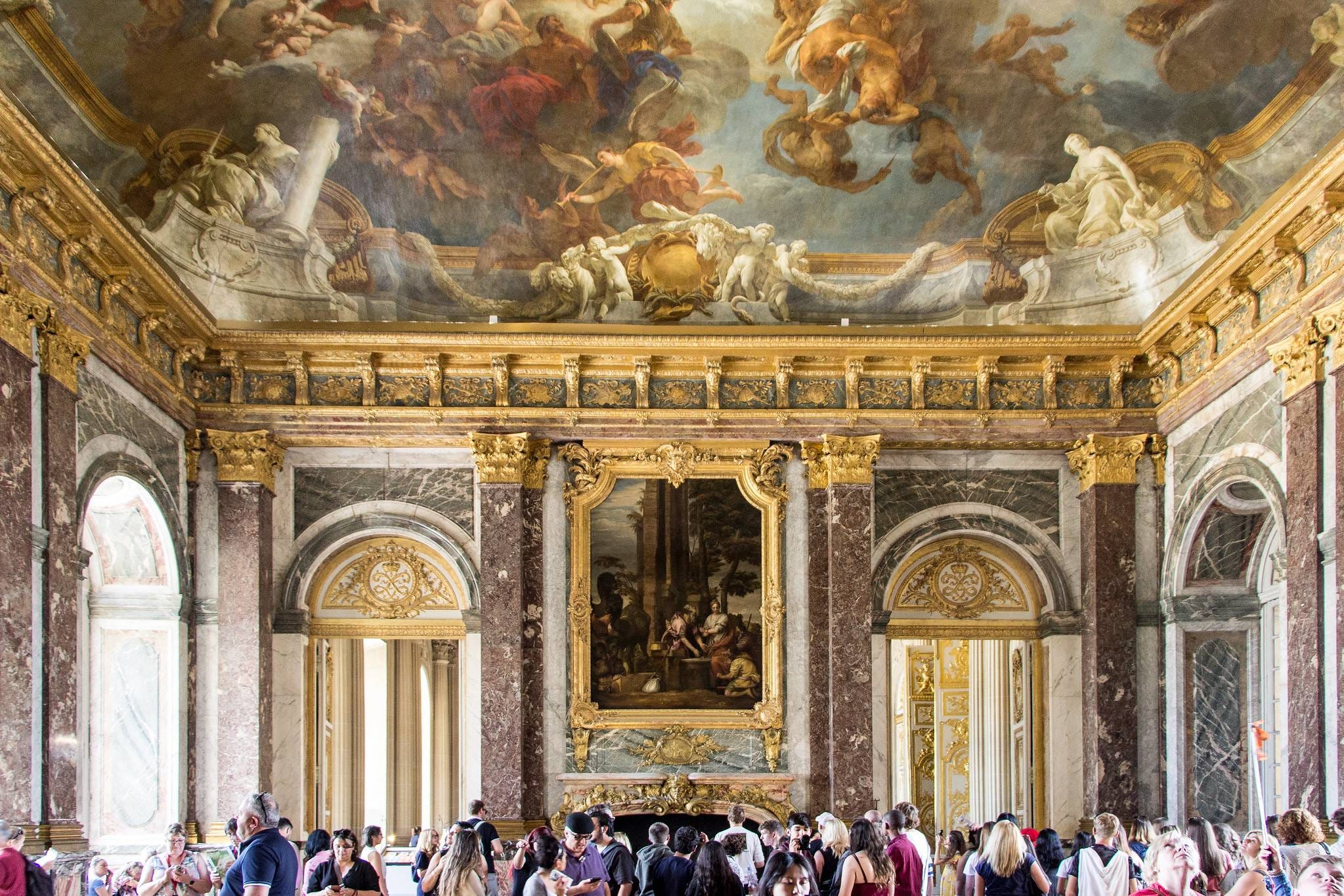
The Salon d’Hercule, Palace of Versailles, Courtesy of Billy Wilson, CC BY 2.0.
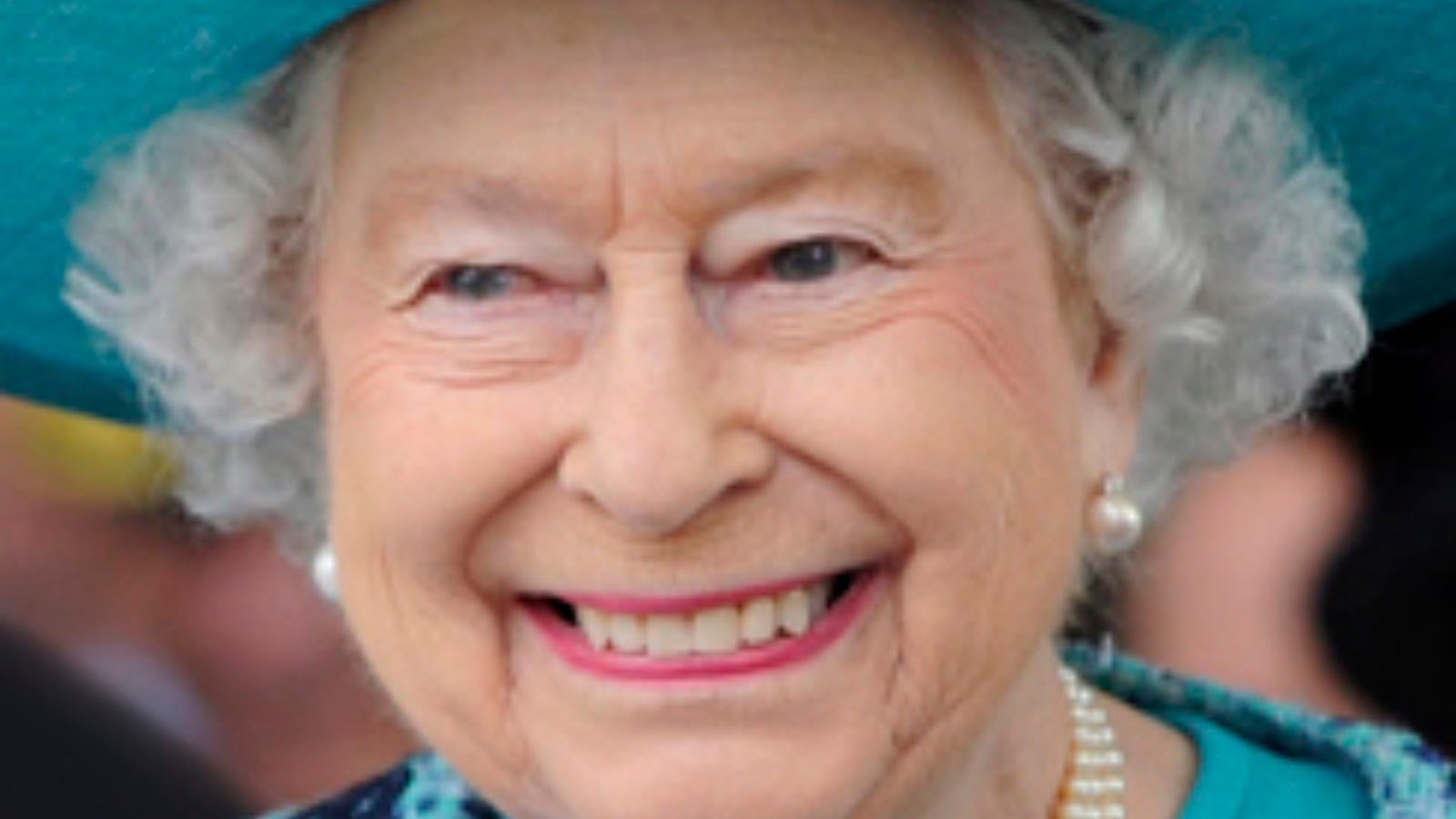
Queen Elizabeth II, 2014: CPOA(Phot) Thomas Tam McDonald (Royal Navy), OGL 3 via Wikimedia Commons.
.jpg)
CC BY 2.0: https://creativecommons.org/licenses/by/2.0/deed.en
OGL 3: https://www.nationalarchives.gov.uk/doc/open-government-licence/version/3