



12th July 1910
(read time: 2 mins.)
Why St Peter’s School Remembers Charles Rolls
Back in 1976, I went to St Peter’s School in Bournemouth, spending seven very happy years playing rugby and gaining friends who I’m still in touch with today.
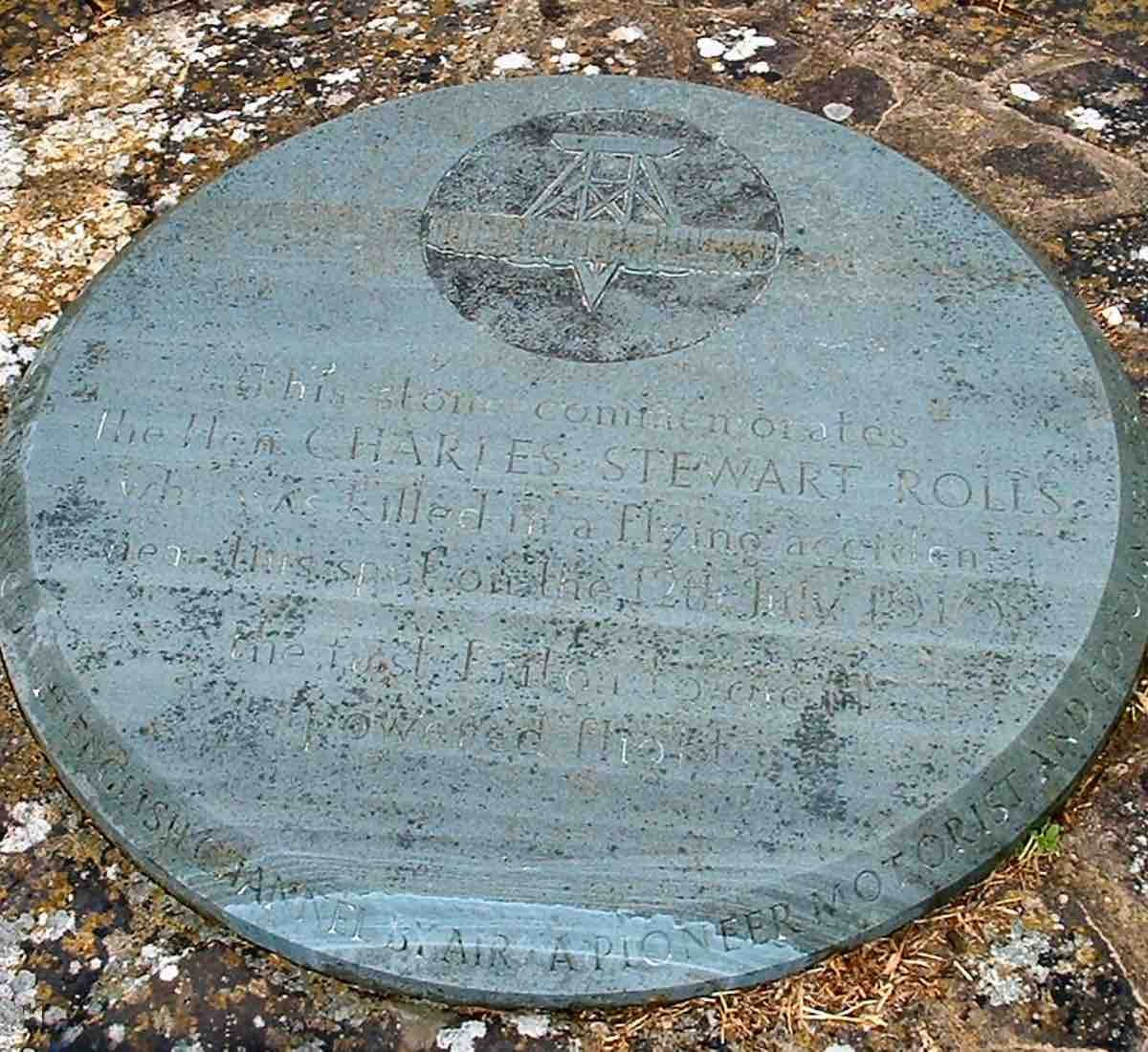
Towards the end of my school years in 1981, the whole school was shuffled out of class one morning, down onto the school playing fields and over into the far corner, where a small memorial had just been constructed. It turned out it was there to commemorate the life of Charles Rolls, the ‘Rolls’ in Rolls-Royce.
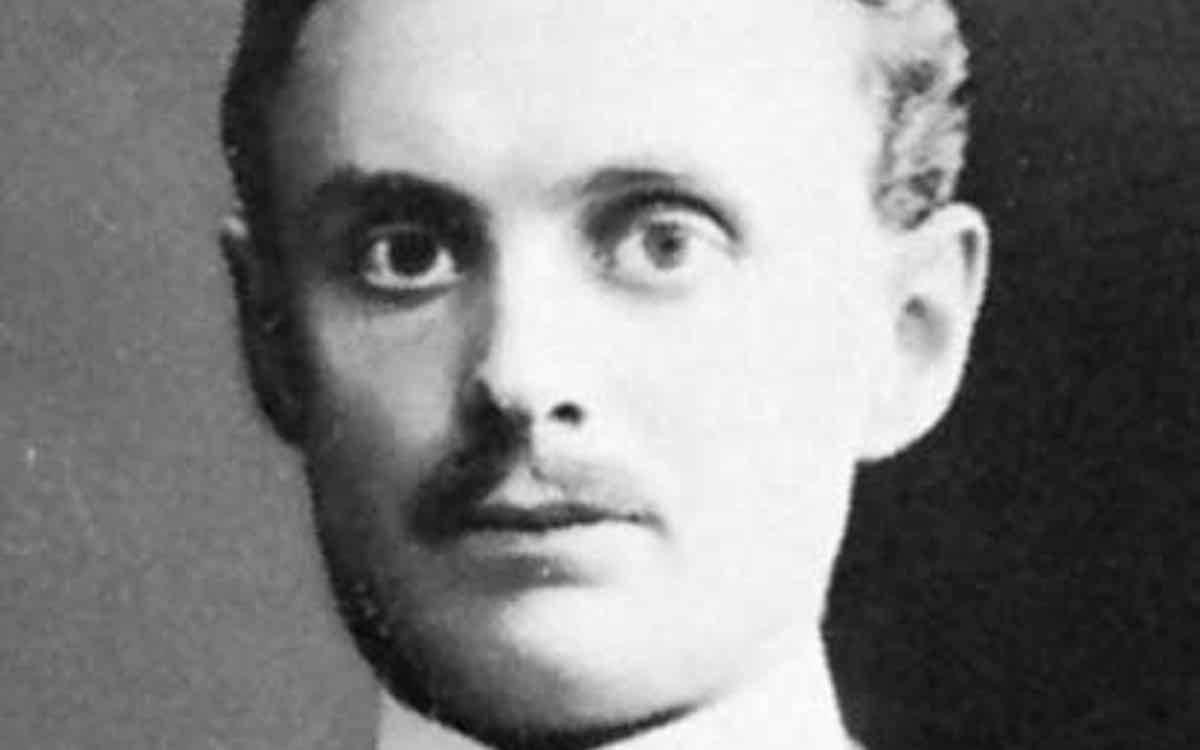
He was an extraordinary man. At the age of 25, he started one of the UK’s first car dealerships. Shortly after, he met Henry Royce, a car builder. Rolls-Royce was soon born, destined to become the producer of the world’s most sought-after luxury car and an esteemed manufacturer of aero engines.
But Rolls’ real passion was aviation.
On 2 June 1910, he became the first person to make a nonstop double crossing of the English Channel by plane, which received much acclaim.
So, why were we standing in the corner of the school playing fields that day, marking his life with a memorial and a few well-chosen words?
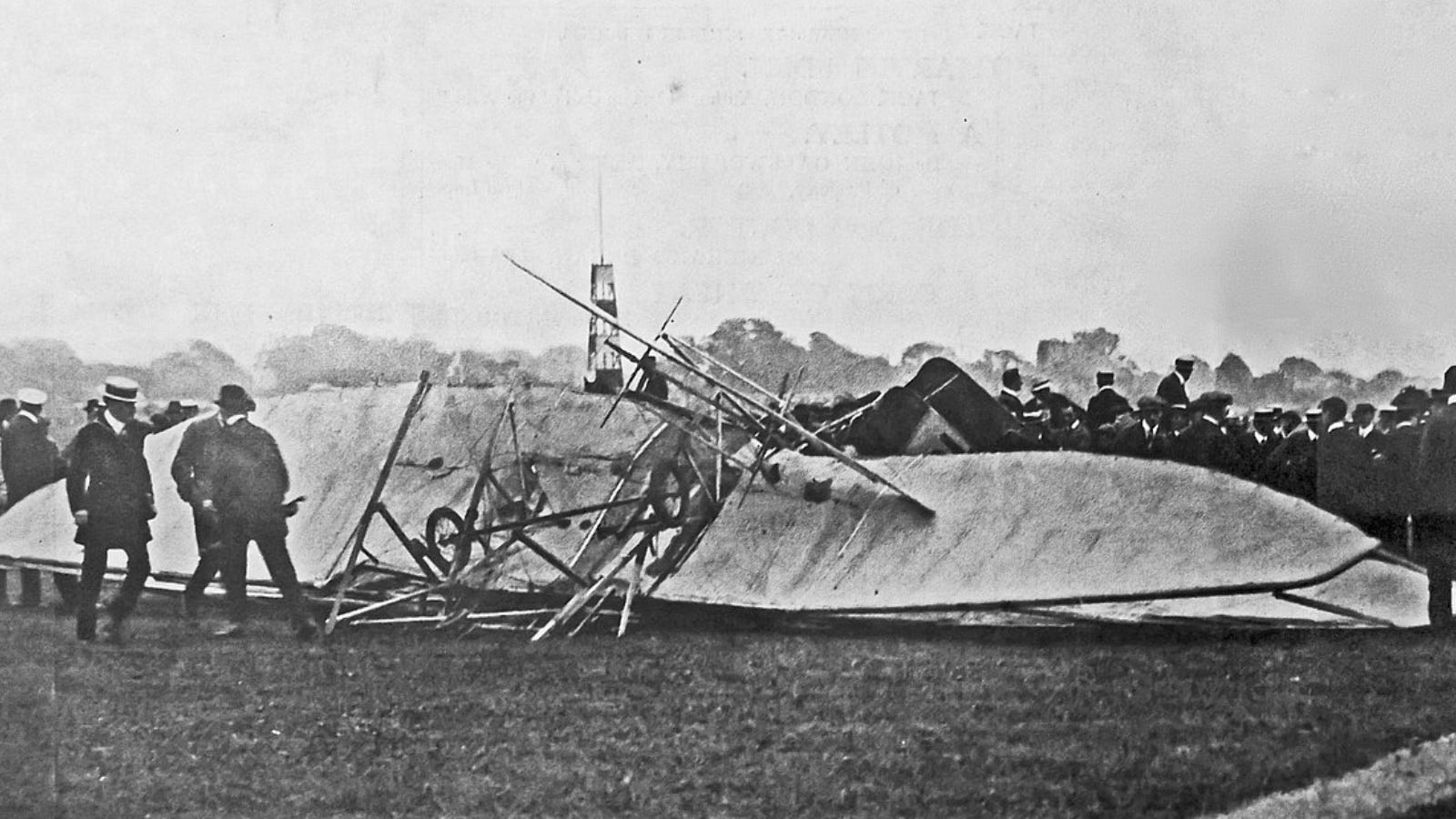
Well, Rolls’ passion for aviation unfortunately proved to be his ultimate downfall. After more than 200 flights and at the age of 35, only a month after his extraordinary double channel-crossing, he was killed when his plane crashed during a routine air display, 12 July 1910.
And the spot where Charles Rolls crashed and died that day—the corner of the St. Peter’s School playing fields where we were standing to remember a wonderful, if not brief, life.

Thank you for joining me.
Steve
HOST & CHIEF STORY HUNTER
ATTRIBUTIONS
Memorial stone: AndyScott, CC BY-SA 4.0, via Wikimedia Commons.
Charles Rolls: http://concise.britannica.com/ebc/art-13853, Public domain, via Wikimedia Commons.
CC BY-ND 4.0: https://creativecommons.org/licenses/by-nd/4.0/

